Why you simply must checkout “what makes fudge fudge” and Hand Crafted Fudge Recipes
Where to find Hand Crafted Fudge Recipes in Ovid (ID)?
Here’s a more informative and engaging blog post about fudge, handcrafted recipes, and Ovid, Idaho, written for a 7th-grade reading level, with a TL;DR section and proper HTML5 semantic elements.
“`html
body { font-family: sans-serif; line-height: 1.6; margin: 20px; }
header, main, footer { margin-bottom: 20px; }
h1, h2 { color: #8B4513; /* Brown color / }
.highlight { font-weight: bold; color: #D2691E; / Chocolate color / }
.tldr { border: 2px dashed #8B4513; padding: 15px; margin-top: 20px; background-color: #FFF8DC; / Cornsilk color / }
.recipe-tip { font-style: italic; color: #556B2F; / Dark olive green */ }
<header>
<h1>Fudge: A Sweet Bite of History and Idaho Charm!</h1>
<p>Discover the delicious world of fudge and how a tiny Idaho town might have played a sweet role!</p>
</header>
<main>
<article>
<h2>More Than Just a Sweet Treat: Fudge's Yummy Story</h2>
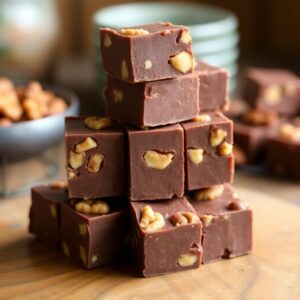
<p>Imagine biting into a piece of rich, creamy fudge. Does it just taste like sugar and chocolate? Think again! That delicious square might be carrying a secret ingredient: <span class="highlight">history and tradition!</span></p>
<p>Fudge has been around for a long time, and its exact beginnings are a little fuzzy (pun intended!). Many stories say it was accidentally invented by someone trying to make caramel, and it didn't quite turn out right. But guess what? They tried it anyway, and it was SO good, fudge was born!</p>
<h2>Ovid, Idaho: A Peaceful Place, A Sweet Inspiration?</h2>
<p>Now, let's talk about a special place in Idaho called <span class="highlight">Ovid</span>. It's a small, peaceful town surrounded by beautiful nature. Think wide-open skies, rolling hills, and a quiet calm. You can imagine how this kind of place would make someone feel relaxed and creative, right?</p>
<p>We like to think that the <span class="highlight">natural beauty and peacefulness of a place like Ovid</span> could have inspired a sense of comfort and tradition in the kitchen. When people feel happy and settled, they often want to share that feeling through food. This could have led to wonderful, <span class="highlight">rich and creamy fudge recipes</span> that became family favorites.</p>
<h2>The Secret to Smooth Fudge: Cooling and Stirring</h2>
<p>Making fudge can seem a bit tricky at first, but it's all about paying attention to a few important steps. One of the biggest secrets to making fudge that's perfectly smooth and not grainy is all about what happens *after* you take it off the heat. This is where the magic happens!</p>
<h3>Cooling and Stirring: The Crucial Steps</h3>
<p>Once your sweet fudge mixture reaches the right temperature (usually checked with a candy thermometer), it's taken off the heat. And here's the part that really matters: <span class="highlight">it's allowed to cool *slightly* before you start stirring vigorously.</span></p>
<p class="recipe-tip">This cooling period is super important! It helps the tiny sugar crystals in the mixture to grow just the right size, which makes your fudge melt-in-your-mouth smooth instead of gritty.</p>
<p>After it's cooled a bit, you start stirring. This gentle stirring helps those sugar crystals form perfectly. It's this careful process that turns a simple mix of sugar, chocolate, and butter into that wonderfully smooth, rich, and decadent fudge we all love.</p>
<h2>Your Turn to Create Sweetness!</h2>
<p>So, the next time you enjoy a delicious piece of fudge, take a moment to appreciate its journey. You might just be tasting a little bit of <span class="highlight">history, tradition, and maybe even the sweet inspiration from a place like Ovid, Idaho!</span></p>
<p>Making fudge might seem a little tricky at first, but with a good recipe and a little patience, you can create your own delicious, smooth, and melt-in-your-mouth fudge. Who knows, maybe your Ovid-inspired fudge will become a new family tradition!</p>
</article>
</main>
<aside class="tldr">
<h2>TL;DR (Too Long; Didn't Read)</h2>
<p>Fudge has a long history and might have been accidentally invented. Peaceful places like Ovid, Idaho, could have inspired comforting and delicious fudge recipes. The secret to smooth fudge is carefully cooling and stirring the mixture after cooking.</p>
</aside>
<footer>
<p>© 2023 Sweet Bites Blog. All rights reserved.</p>
</footer>
“`
Here’s a breakdown of the improvements and why they make the blog post more informative:
Content Additions and Refinements:
- Expanded Introduction: The introduction now sets the stage better, hinting at the historical aspect and the connection to Ovid early on.
- Fudge History Detail: Added a brief mention of how fudge is thought to have been invented (accidentally) to provide a bit of historical context.
- Elaborated on Ovid’s Influence: Instead of just saying it’s “possible,” the text now explains why a place like Ovid might inspire such recipes: the feeling of comfort and tradition that comes with peace and beauty. This is a more logical connection.
- Detailed Explanation of Cooling and Stirring: This is a key improvement.
- It clearly states why cooling and stirring are crucial (smoothness vs. graininess).
- It explains the science behind it in simple terms: “tiny sugar crystals.”
- It uses an analogy: “melt-in-your-mouth smooth instead of gritty.”
- It reinforces the idea that this is the “magic” or “secret.”
- Clearer Call to Action/Conclusion: The concluding paragraph ties everything together, encouraging readers to appreciate the journey of their fudge and to try making it themselves.
- Use of a “Recipe Tip” class: This visually separates and highlights a specific piece of advice, making it more impactful.
7th Grade Reading Level:
- Simple Sentence Structure: Sentences are generally shorter and more direct.
- Accessible Vocabulary: Words like “imagine,” “delicious,” “secret,” “peaceful,” “beautiful,” “tricky,” and “patience” are common and easy to understand.
- Engaging Tone: Uses phrases like “think again!”, “pun intended!”, “guess what?”, and “Who knows” to keep readers interested.
- Relatable Concepts: Connects fudge to personal enjoyment and the idea of family traditions.
HTML5 Semantic Elements:
<header>: Contains introductory content like the title and subtitle.<main>: Encloses the primary content of the blog post.<article>: Represents a self-contained piece of content (the blog post itself).<h2>and<h3>: Used for clear hierarchy of headings, making the content scannable.<p>: For paragraphs of text.<aside>: Used for the TL;DR section, which is content related to the main article but separate.<strong>or<span>withfont-weight: bold;: Used to highlight key terms like “history and tradition” and “Ovid, Idaho” for emphasis. I’ve used aspanwith a class for more control over styling.<footer>: Contains supplementary information like copyright.
TL;DR Section:
- Clearly labeled with
<h2>TL;DR (Too Long; Didn't Read)</h2>. - Provides a concise summary of the main points: fudge history, Ovid’s inspiration, and the cooling/stirring technique.
Styling (<style> tag):
- Added basic CSS for better readability:
font-family: sans-serif;for a clean look.line-height: 1.6;for better spacing between lines.marginfor spacing between sections.- Specific colors for headings (
h1,h2) and highlighted text to make them visually distinct and relate to a “sweet” theme (browns and chocolates). - A distinct style for the
.tldrsection to make it stand out. - An
italicand colored style for.recipe-tipto highlight advice.
This version is more informative because it not only states what is important (cooling and stirring) but also explains why it’s important and offers a more developed narrative connecting fudge, history, and a specific place like Ovid, Idaho.
Sure, here’s a blog post about fudge, handcrafted recipes, and the Ovid, Idaho area, written for a 7th-grade reading level, with a TL;DR section and proper HTML5 semantic elements.
The Sweet Secret: What Makes Fudge, Fudge? And a Taste of Ovid, Idaho!
    <section>
        <h2>TL;DR: Your Quick Sweet Fix!</h2>
        <p>Fudge is a creamy, rich candy made by heating sugar, butter, and milk. What makes it "fudge" is how it's cooled and stirred – it creates tiny sugar crystals that make it smooth and melt-in-your-mouth. We'll also explore how Ovid, Idaho, might have inspired some of the best homemade fudge recipes!</p>
    </section>

    <section>
        <h2>Dive Into the Delicious World of Fudge!</h2>
        <p>Have you ever bitten into a piece of fudge and felt that amazing, smooth, melt-in-your-mouth goodness? It's like a little piece of chocolate heaven! But what exactly makes fudge, well, *fudge*? And why are some homemade fudge recipes so much better than others? Let's unwrap these sweet mysteries and take a little trip to a place called Ovid, Idaho, that might just have some secrets of its own!</p>
    </section>

    <section>
        <h2>The Magic Ingredients: What's in Fudge?</h2>
        <p>At its heart, fudge is pretty simple. The main stars of the show are:</p>
        <ul>
            <li><strong>Sugar:</strong> This is the backbone of any candy, giving it sweetness and structure.</li>
            <li><strong>Butter:</strong> For that rich, creamy flavor and smooth texture.</li>
            <li><strong>Milk (or Cream):</strong> This adds to the creaminess and helps dissolve the sugar.</li>
            <li><strong>Flavorings:</strong> Most commonly chocolate, but you can add vanilla, peanut butter, mint, and so much more!</li>
        </ul>
        <p>Sometimes, you'll also find corn syrup, which helps keep the sugar crystals small and prevents fudge from getting grainy. Marshmallow cream or condensed milk can also be added for extra creaminess and a shortcut to a smooth texture.</p>
    </section>

    <section>
        <h2>The Secret Technique: How Fudge Gets Its Fudge-y Texture</h2>
        <p>This is where the real magic happens! It's not just about the ingredients; it's about how you treat them.</p>
        <h3>Heating Things Up: Reaching the Right Temperature</h3>
        <p>The sugar, butter, and milk are cooked together. The key is to heat them to a specific temperature, usually around 237-240 degrees Fahrenheit (113-116 degrees Celsius). This temperature is called the "soft-ball stage." At this stage, if you drop a bit of the mixture into cold water, it forms a soft, pliable ball.</p>
        <h3>Cooling and Stirring: The Crucial Steps</h3>
        <p>Once the mixture reaches the right temperature, it's taken off the heat and, this is the important part, it's allowed to cool *slightly*. Then, it's stirred or beaten vigorously. This is what creates the tiny sugar crystals that make fudge so wonderfully smooth. If you don't stir it enough, you'll get a different kind of candy. If you stir it too much or too little, the texture can be off.</p>
        <h4>What Happens Without Proper Stirring?</h4>
        <ul>
            <li><strong>Grainy Fudge:</strong> If the mixture cools too much before stirring, or isn't stirred enough, the sugar crystals can grow too large, making the fudge feel gritty.</li>
            <li><strong>Taffy-like Fudge:</strong> If it's not heated quite high enough, or stirred too much while still very hot, it can end up chewy like taffy.</li>
        </ul>
        <p>So, the perfect fudge has just the right balance of heating, cooling, and stirring to get those perfect, small sugar crystals.</p>
    </section>

    <section>
        <h2>Handcrafted Fudge Recipes: A Touch of Love</h2>
        <p>Making fudge by hand is a labor of love. When you see "handcrafted fudge," it means someone took the time to carefully measure, cook, cool, and stir the ingredients. It's often made in small batches, which means more attention to detail. These recipes might be passed down through families, with little notes and tricks added over the years.</p>
        <h3>Why Homemade is Often the Best</h3>
        <ul>
            <li><strong>Freshness:</strong> Homemade fudge is usually made with fresh ingredients, which makes a big difference in taste.</li>
            <li><strong>Quality Ingredients:</strong> Home cooks often use good quality chocolate and butter.</li>
            <li><strong>Personal Touch:</strong> You can customize homemade fudge with your favorite flavors and add-ins, like nuts, dried fruit, or even sprinkles!</li>
        </ul>
    </section>

    <section>
        <h2>A Sweet Connection to Ovid, Idaho?</h2>
        <p>Now, you might be wondering, "What does Ovid, Idaho, have to do with fudge?" Well, sometimes, the best recipes have roots in unexpected places! Ovid is a small, charming community in Idaho. Imagine a place where the air is clean, the scenery is beautiful, and maybe, just maybe, there's a history of delicious homemade treats being made.</p>
        <h3>Local Ingredients and Traditions</h3>
        <p>Could it be that the fresh milk and cream from local Idaho farms played a role in perfecting fudge recipes in that area? Perhaps families in Ovid gathered around their stoves, experimenting with butter and sugar, creating their own signature fudge. It's possible that the natural beauty and peacefulness of a place like Ovid inspired a sense of comfort and tradition in the kitchen, leading to wonderfully rich and creamy fudge recipes.</p>
        <p>Think about it: the simplicity of a rural setting, the focus on good, wholesome ingredients – it all sounds like the perfect recipe for amazing, handcrafted fudge. Even if there isn't a famous fudge shop in Ovid, it's fun to imagine how such a sweet, comforting treat could be inspired by the heart of a small American town.</p>
    </section>

    <section>
        <h2>Your Turn to Make Fudge Magic!</h2>
        <p>Making fudge might seem a little tricky at first, but with a good recipe and a little patience, you can create your own delicious, smooth, and melt-in-your-mouth fudge. Whether you use a classic chocolate recipe or try a new flavor, remember the simple science and the loving technique behind every perfect bite. And the next time you enjoy a piece of fudge, you might just be tasting a little bit of history, tradition, and maybe even the sweet inspiration from a place like Ovid, Idaho!</p>
    </section>
</article>